Approx. CAD $7.86
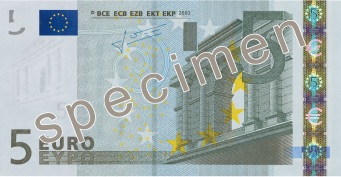
The 5-euro banknote celebrates Europe's classical heritage, drawing inspiration from the architecture of ancient Greece and Rome. Its grey design features a classical gateway with columns, representing the architectural achievements of antiquity. The gateway symbolizes openness and cooperation among European nations, while the bridge on the reverse represents communication and connection between cultures. The architectural illustrations are symbolic and do not depict actual monuments.
Approx. CAD $15.73
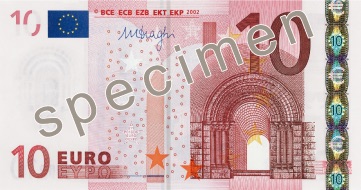
The 10-euro banknote highlights Europe's Romanesque architectural heritage, which flourished during the Middle Ages. Its red design features rounded arches and solid architectural forms inspired by medieval churches and monasteries. These elements reflect the craftsmanship and cultural development of medieval Europe. The doorway symbolizes openness and cooperation, while the bridge on the reverse represents communication and unity among European nations.
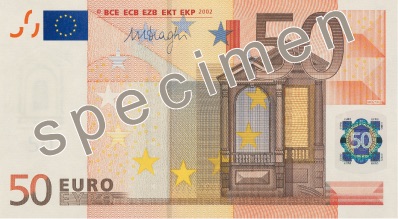
Approx. CAD $31.46
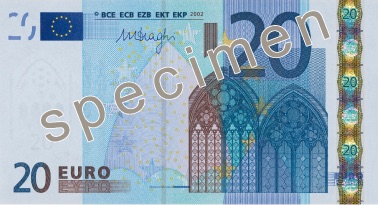
The 50-euro banknote celebrates the Renaissance, a period of remarkable artistic, scientific and cultural development in Europe. Its orange design features architectural elements inspired by Renaissance buildings, characterized by symmetry, proportion and classical influences. The window represents openness and cooperation, while the bridge on the reverse symbolizes communication and connections between European nations. The design reflects the enduring influence of Renaissance culture on European identity.
Approx. CAD $78.64
The 50-euro banknote celebrates the Renaissance, a period of remarkable artistic, scientific and cultural development in Europe. Its orange design features architectural elements inspired by Renaissance buildings, characterized by symmetry, proportion and classical influences. The window represents openness and cooperation, while the bridge on the reverse symbolizes communication and connections between European nations. The design reflects the enduring influence of Renaissance culture on European identity.
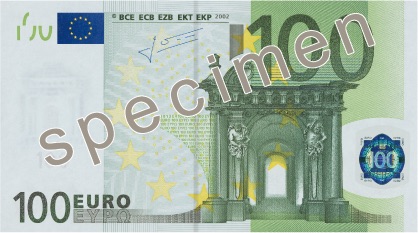
Approx. CAD $157.28
The 100-euro banknote celebrates Europe's Baroque and Rococo architectural heritage, known for elaborate ornamentation, elegance and decorative detail. Its green design features architectural elements inspired by the grand palaces and monumental buildings of the 17th and 18th centuries. The gateway symbolizes openness and cooperation, while the bridge on the reverse represents communication and connection between European nations. The design reflects a period of artistic refinement and cultural achievement.
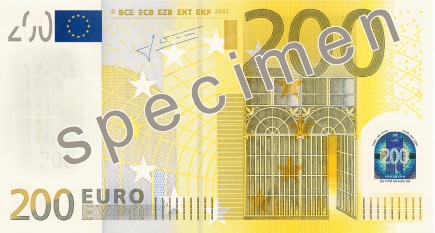
Approx. CAD $314.56
The 200-euro banknote celebrates the architectural innovations of the 19th century, particularly the use of iron and glass during Europe's Industrial Revolution. Its yellow-brown design features structural elements inspired by industrial-era buildings, railway stations and exhibition halls. These materials transformed European architecture by allowing larger, lighter and more open structures. The design symbolizes technological progress, innovation and the growing connections between European societies.
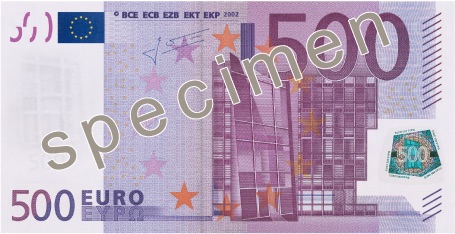
Approx. CAD $786.41
The 500-euro banknote represents modern 20th-century European architecture, reflecting innovation, technological progress and contemporary design. Its purple colour and geometric architectural elements highlight the transformation of European cities during the modern era. Unlike the other denominations, the 500-euro banknote was not included in the Europa series, and its issuance was discontinued in 2019. However, existing 500-euro banknotes remain legal tender and retain their full value.
Values are approximate and subject to change.
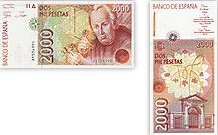
Approx. CAD $7.86
The 2,000 Spanish peseta banknote features José Celestino Mutis (1732–1808), a renowned Spanish botanist, physician and scientist whose research made an important contribution to the understanding of South American plants and natural history. Born in Cádiz, Spain, Mutis spent much of his career in the Viceroyalty of New Granada, present-day Colombia, where he directed a major botanical expedition and documented thousands of plant specimens. Dated April 24, 1992, this predominantly reddish-brown banknote belongs to Spain's final series of peseta banknotes, commemorating the 500th anniversary of Columbus's arrival in the Americas. The front features Mutis examining a flower, accompanied by a map of the American continent, highlighting his contributions to botanical exploration and scientific discovery.The reverse depicts the entrance to the Royal Botanical Garden in Madrid, together with the title page of Mutis's work Historia de los árboles de quina, devoted to cinchona trees, whose bark was historically used to treat malaria. The design also incorporates botanical illustrations and decorative elements celebrating Spain's scientific heritage.The banknote includes security features such as a watermark, security thread and detailed engraved patterns intended to help prevent counterfeiting. The 2,000 peseta banknote ceased to be legal tender following Spain's adoption of euro banknotes and coins in 2002. The official redemption period at the Banco de España ended on June 30, 2021.Today, this historical banknote commemorates José Celestino Mutis's contributions to botany, medicine, and scientific exploration. It is presented for historical and educational purposes only.
Approx. CAD $0.00
This blue-green banknote celebrates Annette von Droste-Hülshoff, a renowned German poet and novelist. The reverse features a writing quill and a beech tree, referencing her literary work Die Judenbuche.
Bills can still be exchanged at German banks. ICE does not buy or sell these notes
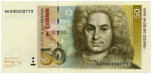
Approx. CAD $0.00
This olive-brown banknote features Balthasar Neumann, one of Germany's most celebrated Baroque architects. The reverse shows architectural details from his work, including the Würzburg Residence.
Bills can still be exchanged in German banks
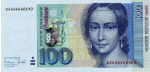
Approx. CAD $157.28
This blue banknote honours Clara Schumann, an internationally acclaimed pianist, composer and music teacher. Its reverse depicts a grand piano and the Hoch Conservatory in Frankfurt, where she taught.
Bills can still be exchanged at German banks. ICE does not buy or sell these notes
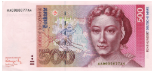
Approx. CAD $786.41
This purple-red banknote celebrates Maria Sibylla Merian, a pioneering naturalist and scientific illustrator known for her studies of insects and plants. The reverse features botanical and insect illustrations reflecting her scientific discoveries.
Bills can still be exchanged at German banks. ICE does not buy or sell theses notes
Values are approximate and subject to change.
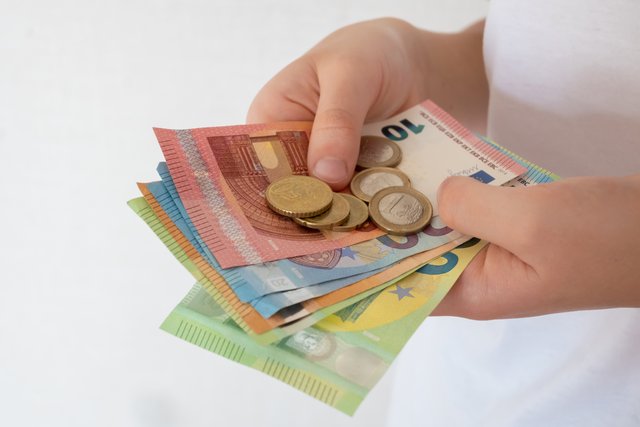
Keep €5, €10 and €20 notes handy for small purchases, markets and cafés. Some vendors may have difficulty providing change for larger banknotes.

Order your foreign currency online and pick it up at your selected ICE location. Quick, easy and convenient, so you can spend less time preparing and more time enjoying your trip.
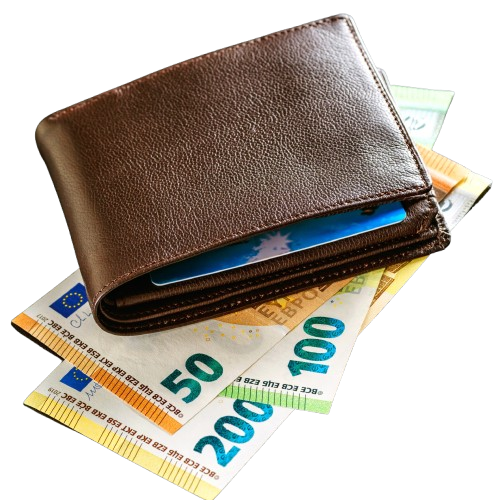
Avoid keeping all your cash and payment cards in the same place. Store a backup card and some emergency cash separately, so you're prepared if your wallet is lost or stolen.
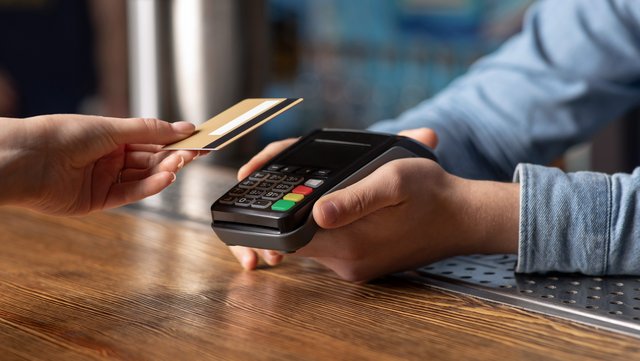
When paying by card or withdrawing cash in France, you may be asked to pay in Canadian dollars instead of euros. Always choose euros to avoid potentially unfavorable exchange rates and extra conversion charges.
Criminals may tamper with ATMs to steal card information or trap banknotes during withdrawals. Use ATMs in secure locations, cover your PIN and never accept help from strangers.

Reserve your pesos online and pick them up at the branch of your choice.

Compare the rate on the day of purchase with our exchange rates page.

Let your bank know your travel dates to avoid blocked cards abroad.
The rate shown on this page is indicative. The final rate is confirmed when you place your order or visit a branch.
Plan around 50 euros per day for meals, tips and transportation, and use your card for larger expenses.