Get the best rate on Euro before your trip.
1 CAD = 0.64 EUR
Rate as of 21 November 2026 at 09:30
Rates are subject to change.
Exchange rates are provided for informational purposes only and may vary depending on the location, date, transaction type, and market conditions.
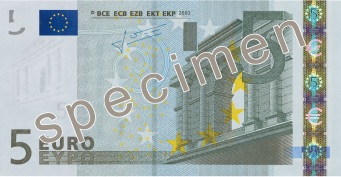
Approx. CAD $7.86
The 5-euro banknote celebrates Europe's classical heritage, drawing inspiration from the architecture of ancient Greece and Rome. Its grey design features a classical gateway with columns, representing the architectural achievements of antiquity. The gateway symbolizes openness and cooperation among European nations, while the bridge on the reverse represents communication and connection between cultures. The architectural illustrations are symbolic and do not depict actual monuments.
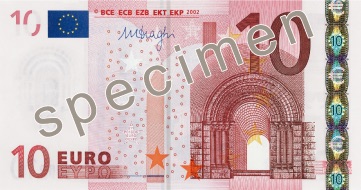
Approx. CAD $15.73
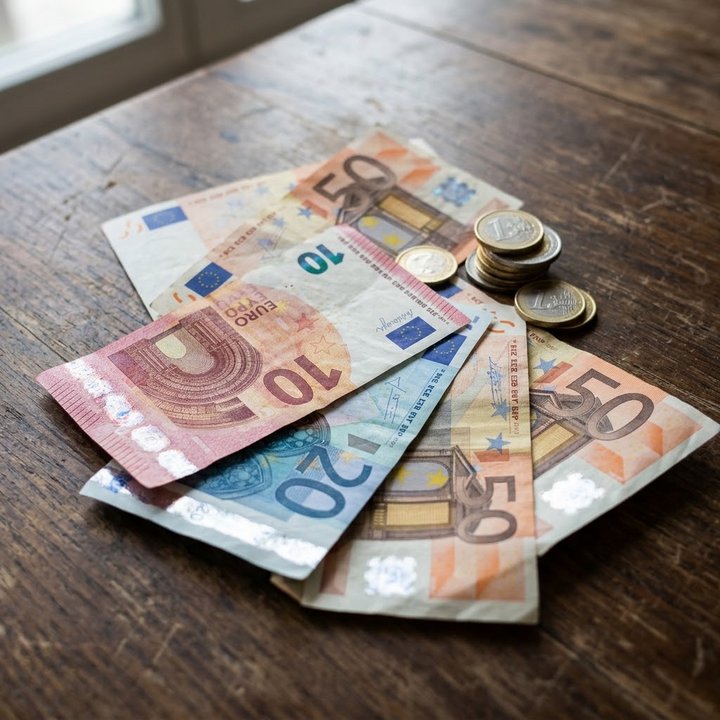
The 10-euro banknote highlights Europe's Romanesque architectural heritage, which flourished during the Middle Ages. Its red design features rounded arches and solid architectural forms inspired by medieval churches and monasteries. These elements reflect the craftsmanship and cultural development of medieval Europe. The doorway symbolizes openness and cooperation, while the bridge on the reverse represents communication and unity among European nations.
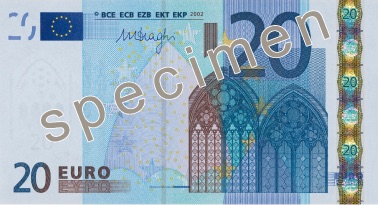
Approx. CAD $31.46
The 50-euro banknote celebrates the Renaissance, a period of remarkable artistic, scientific and cultural development in Europe. Its orange design features architectural elements inspired by Renaissance buildings, characterized by symmetry, proportion and classical influences. The window represents openness and cooperation, while the bridge on the reverse symbolizes communication and connections between European nations. The design reflects the enduring influence of Renaissance culture on European identity.
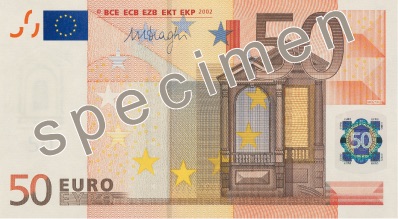
Approx. CAD $78.64
The 50-euro banknote celebrates the Renaissance, a period of remarkable artistic, scientific and cultural development in Europe. Its orange design features architectural elements inspired by Renaissance buildings, characterized by symmetry, proportion and classical influences. The window represents openness and cooperation, while the bridge on the reverse symbolizes communication and connections between European nations. The design reflects the enduring influence of Renaissance culture on European identity.
Approx. CAD $157.28
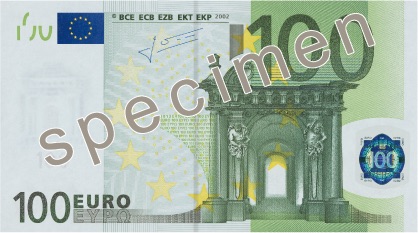
The 100-euro banknote celebrates Europe's Baroque and Rococo architectural heritage, known for elaborate ornamentation, elegance and decorative detail. Its green design features architectural elements inspired by the grand palaces and monumental buildings of the 17th and 18th centuries. The gateway symbolizes openness and cooperation, while the bridge on the reverse represents communication and connection between European nations. The design reflects a period of artistic refinement and cultural achievement.
Approx. CAD $314.56
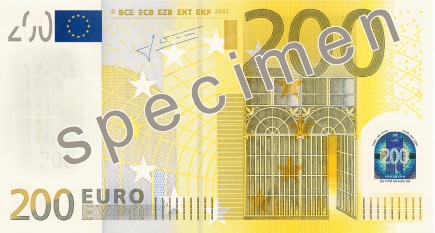
The 200-euro banknote celebrates the architectural innovations of the 19th century, particularly the use of iron and glass during Europe's Industrial Revolution. Its yellow-brown design features structural elements inspired by industrial-era buildings, railway stations and exhibition halls. These materials transformed European architecture by allowing larger, lighter and more open structures. The design symbolizes technological progress, innovation and the growing connections between European societies.
Approx. CAD $786.41
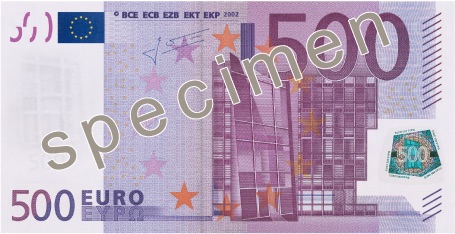
The 500-euro banknote represents modern 20th-century European architecture, reflecting innovation, technological progress and contemporary design. Its purple colour and geometric architectural elements highlight the transformation of European cities during the modern era. Unlike the other denominations, the 500-euro banknote was not included in the Europa series, and its issuance was discontinued in 2019. However, existing 500-euro banknotes remain legal tender and retain their full value.
Approx. CAD $0.03
Values are approximate and subject to change.
Approx. CAD $1,572.82
The 1,000 Italian lire banknote features Maria Montessori (1870–1952), the renowned Italian physician and educator who developed the Montessori method of education. Introduced in 1990, the colourful banknote honours her contributions to childhood education. The reverse depicts Bambini allo studio (Children Studying), a painting by Italian artist Armando Spadini, symbolizing learning and intellectual development. The banknote includes security features such as a watermark, security thread and intricate printed patterns. It remained in circulation until Italy adopted the euro in 2002. Today, it is a historical reminder of Italy's monetary and educational heritage.
Approx. CAD $15.73
The 2,000 Italian lire banknote features Guglielmo Marconi (1874–1937), the Italian inventor and Nobel Prize-winning physicist who pioneered wireless telegraphy and helped lay the foundations of modern radio communication. Introduced in 1990, the banknote celebrates Italy's scientific and technological achievements. The reverse depicts early radio transmission equipment, including antennas and the historic wireless station at Coltano, near Pisa, highlighting Marconi's contributions to long-distance communication. Its intricate patterns, watermark and security features reflect Italian banknote design before the introduction of the euro in 2002. Today, it remains a historical reminder of Italy's role in the development of wireless technology.
Approx. CAD $15,728.24
The 10,000 Italian lire banknote features Alessandro Volta (1745–1827), the renowned Italian physicist who invented the electric battery and pioneered the study of electricity. Introduced in 1984, this predominantly blue banknote celebrates Italy's scientific achievements. The front depicts Volta alongside scientific instruments associated with his discoveries, while the reverse features the Tempio Voltiano in Como, a museum dedicated to his life and work. The banknote incorporates security features including a portrait watermark, an embedded security thread and intricate printed patterns. It remained in circulation until Italy adopted the euro in 2002. Today, it stands as a historical tribute to one of Italy's most influential scientists and inventors.
Approx. CAD $78,641.20
The 50,000 Italian lire banknote features Gian Lorenzo Bernini (1598–1680), one of Italy's most celebrated Baroque sculptors and architects. Introduced in its updated version in 1992, this predominantly purple banknote honours Bernini's remarkable contributions to Italian art and architecture. The front features his portrait alongside decorative elements inspired by his artistic legacy, including Rome's famous Triton Fountain. The reverse depicts Bernini's equestrian statue of Emperor Constantine and architectural elements associated with the Scala Regia in Vatican City. The banknote incorporates security features such as a portrait watermark, security threads and intricate printed patterns. Withdrawn from circulation following Italy's adoption of the euro in 2002, it remains a historical tribute to Italy's extraordinary artistic heritage.
Approx. CAD $157,282.40
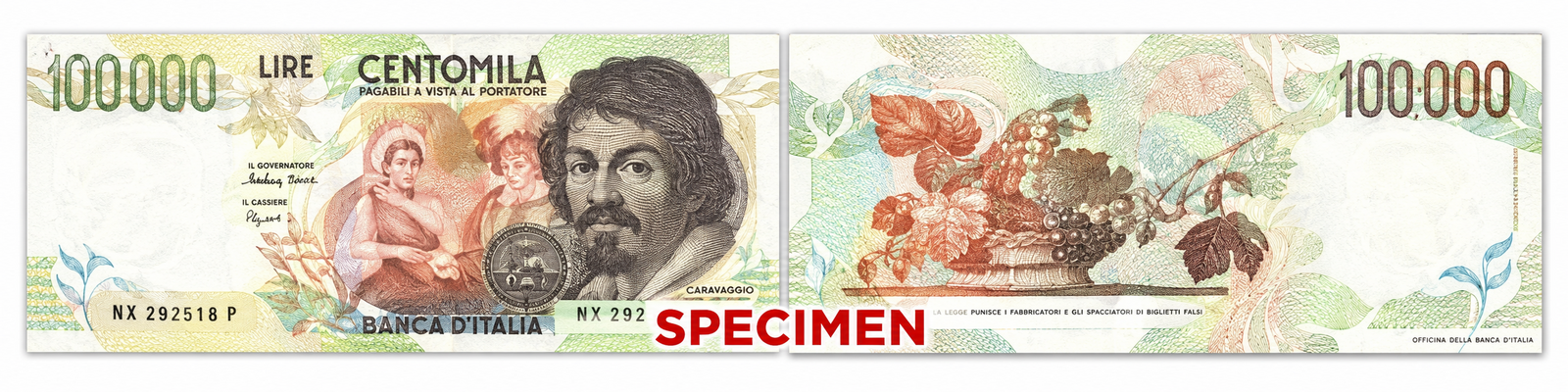
The 100,000 Italian lire banknote features Michelangelo Merisi da Caravaggio (1571–1610), one of Italy's most influential Baroque painters, renowned for his dramatic use of light and shadow. Introduced in 1994, this predominantly green and reddish-brown banknote celebrates Italy's extraordinary artistic heritage. The front depicts Caravaggio alongside a detail from his painting The Fortune Teller, while the reverse features his famous Basket of Fruit, preserved at the Biblioteca Ambrosiana in Milan. The banknote incorporates security features including a portrait watermark, an embedded security thread and intricate printed patterns. It remained in circulation until Italy adopted the euro in 2002. Today, it stands as a historical tribute to one of Italy's greatest artists and the country's rich cultural legacy.
Approx. CAD $786,412.00
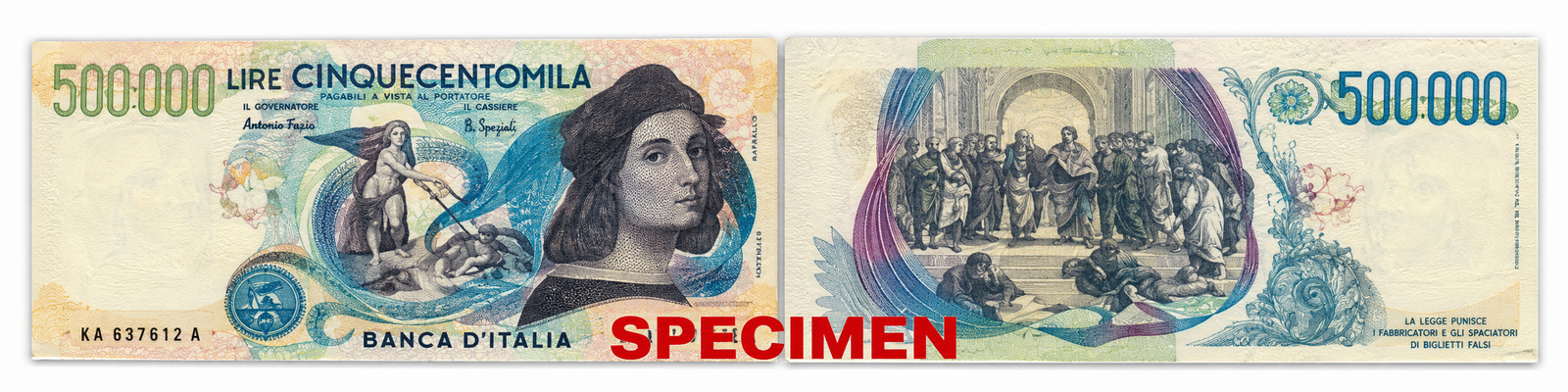
The 500,000 Italian lire banknote features Raphael (1483–1520), one of the most celebrated painters and architects of the Italian Renaissance. Introduced in 1997, this predominantly blue and green banknote was the highest denomination issued during the final years of the Italian lira. The front features Raphael's portrait alongside a detail from his famous fresco The Triumph of Galatea, while the reverse depicts The School of Athens, his masterpiece in the Vatican. The banknote incorporates advanced security features, including a portrait watermark, two embedded security threads and intricate multicoloured printing. Withdrawn from circulation following Italy's adoption of the euro in 2002, it remains a remarkable tribute to Italy's Renaissance heritage and artistic achievements.
Values are approximate and subject to change.
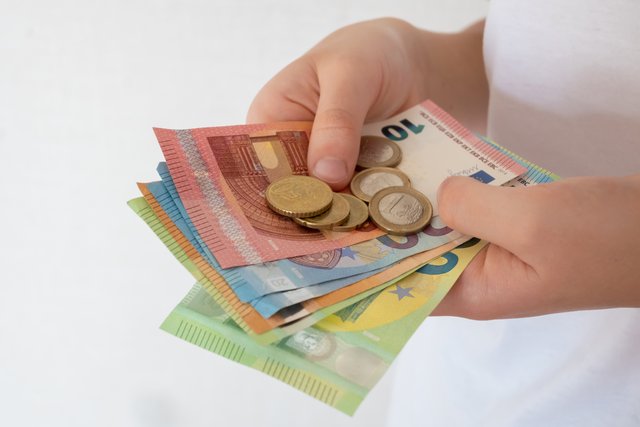
Keep €5, €10 and €20 notes handy for small purchases, markets and cafés. Some vendors may have difficulty providing change for larger banknotes.

Order your foreign currency online and pick it up at your selected ICE location. Quick, easy and convenient, so you can spend less time preparing and more time enjoying your trip.
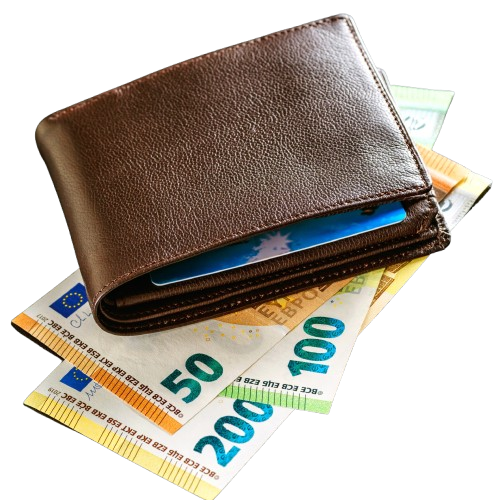
Avoid keeping all your cash and payment cards in the same place. Store a backup card and some emergency cash separately, so you're prepared if your wallet is lost or stolen.
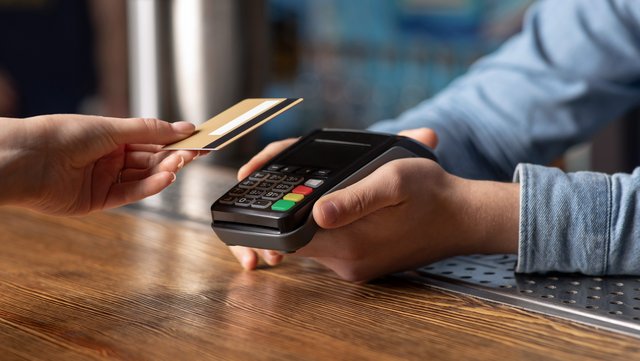
When paying by card or withdrawing cash in France, you may be asked to pay in Canadian dollars instead of euros. Always choose euros to avoid potentially unfavorable exchange rates and extra conversion charges.
Criminals may tamper with ATMs to steal card information or trap banknotes during withdrawals. Use ATMs in secure locations, cover your PIN and never accept help from strangers.

Reserve your pesos online and pick them up at the branch of your choice.

Compare the rate on the day of purchase with our exchange rates page.

Let your bank know your travel dates to avoid blocked cards abroad.
The rate shown on this page is indicative. The final rate is confirmed when you place your order or visit a branch.
Plan around 50 euros per day for meals, tips and transportation, and use your card for larger expenses.
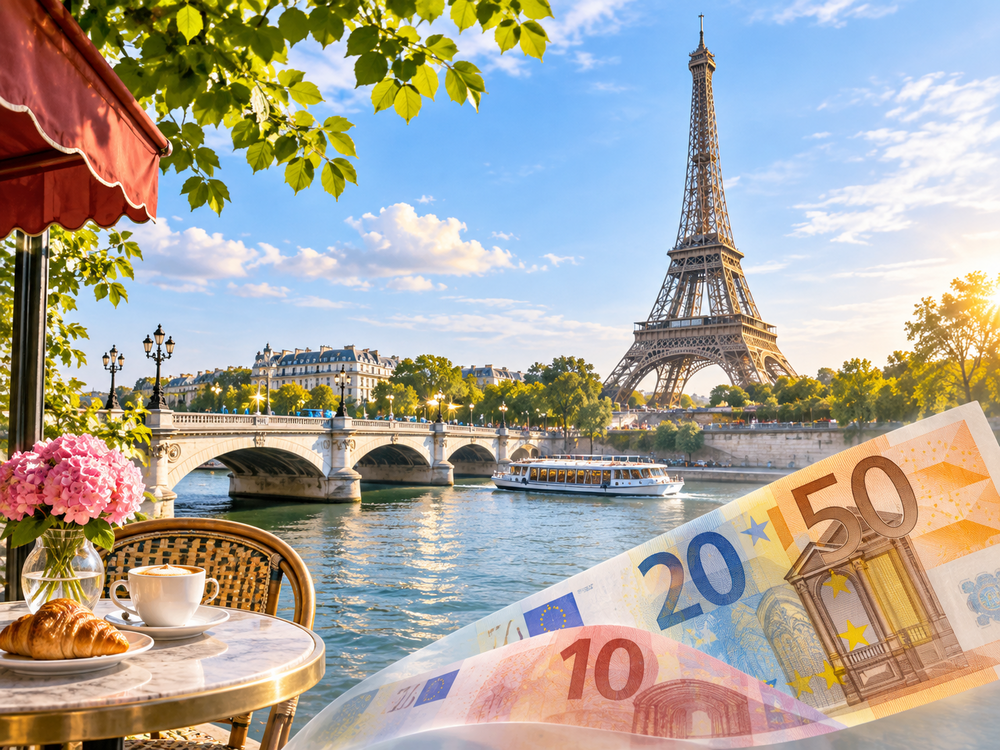

We match the market every day.

No hidden fees, ever.

Your order is protected end to end.

Serving travellers across the country.