
1 CAD = 23.68 THB
Rate as of 21 November 2026 at 09:30
Rates are subject to change.
Get Thai baht at participating ICE Currency airport locations before you depart.
Travel like a local. Pay like a local.
Exchange rates are provided for informational purposes only and may vary depending on the location, date, transaction type, and market conditions.
Approx. CAD $0.84
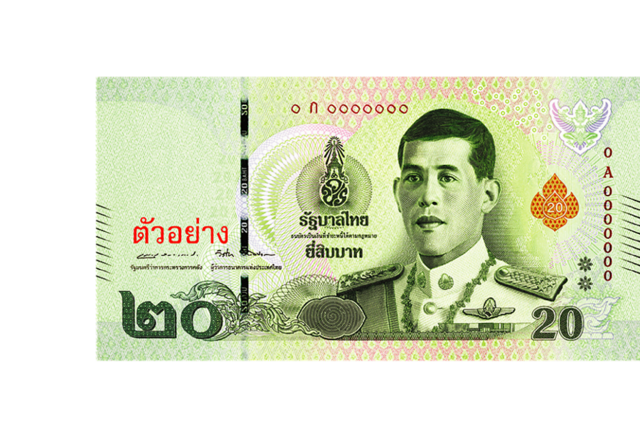
Le billet thaïlandais de vingt bahts présente le roi Maha Vajiralongkorn (Rama X) portant son uniforme de l'armée de l'air royale thaïlandaise. Le verso montre le roi Rama I, fondateur de la dynastie Chakri, et le roi Rama II, mettant en avant le patrimoine royal de la Thaïlande. Le billet vert de 20 bahts a été introduit en version polymère le 24 mars 2022, le rendant plus durable et résistant à l'humidité. Les éléments de sécurité incluent des fenêtres transparentes, une impression en relief et un élément changeant de couleur qui passe du jaune au rouge lorsqu'on incline le billet. Ces détails aident les voyageurs à reconnaître la vraie monnaie thaïlandaise.
Approx. CAD $2.11
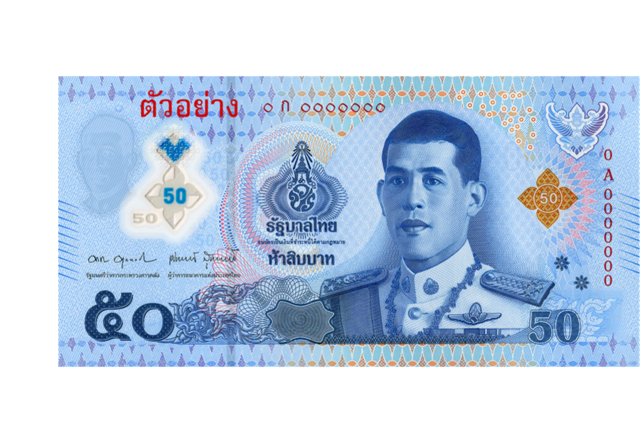
Le billet thaïlandais de cinquante bahts présente le roi Maha Vajiralongkorn (Rama X) en uniforme de la Royal Thai Air Force. Le verso montre le roi Rama III et le roi Rama IV, rendant hommage à deux monarques importants de la dynastie Chakri. Introduit dans sa nouvelle version en polymère le 21 novembre 2025, ce billet bleu offre une plus grande durabilité et une meilleure résistance à l'humidité. Ses caractéristiques de sécurité incluent des fenêtres transparentes, une valeur en relief, une impression en relief et un effet de changement de couleur visible lorsqu'on l'incline. Ces caractéristiques aident les voyageurs à identifier la monnaie thaïlandaise authentique et à reconnaître l'un des billets les plus couramment utilisés en Thaïlande.
Approx. CAD $4.22
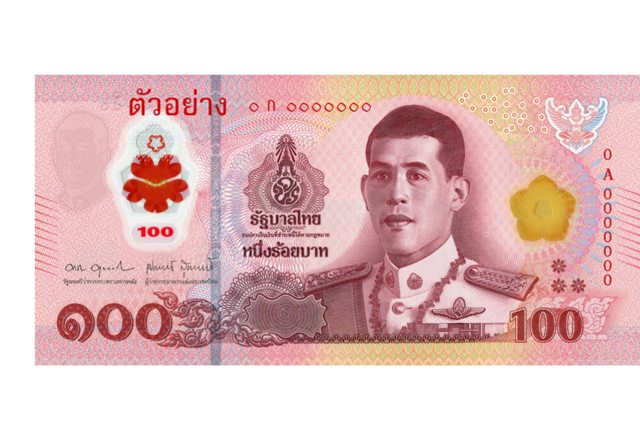
Le billet thaïlandais de cent bahts montre le roi Maha Vajiralongkorn (Rama X) portant son uniforme de l'armée de l'air royale thaïlandaise. Au verso, on voit le roi Chulalongkorn (Rama V), célèbre pour avoir modernisé la Thaïlande, et le roi Vajiravudh (Rama VI), qui a promu l'éducation et l'identité nationale. Introduit dans sa nouvelle version en polymère le 21 novembre 2025, le billet rouge de 100 bahts offre une meilleure durabilité et résistance à l'humidité. Les éléments de sécurité comprennent des fenêtres transparentes, une valeur faciale embossée, des impressions en relief et un élément à changement de couleur visible lorsqu'on incline le billet. Tous ces détails aident les voyageurs à reconnaître la monnaie thaïlandaise authentique.
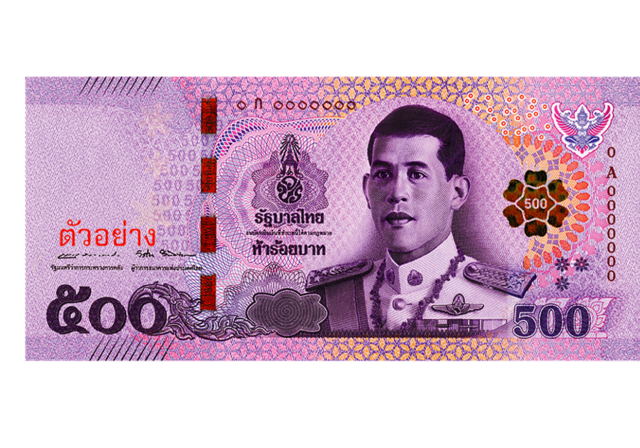
Approx. CAD $21.12
Le billet thaïlandais de cinq cents bahts présente le roi Maha Vajiralongkorn (Rama X) portant son uniforme de l'Armée de l'air thaïlandaise. Le revers rend hommage au roi Prajadhipok (Rama VII), associé à la transition de la Thaïlande vers une monarchie constitutionnelle en 1932, et au roi Ananda Mahidol (Rama VIII). Introduit dans le cadre de la série 17 des billets thaïlandais en 2018, le billet violet de 500 bahts est imprimé sur un papier de sécurité à base de coton. Ses dispositifs de sécurité incluent un filigrane portrait, un fil de sécurité intégré, une impression en relief et des éléments aux couleurs changeantes. Ces caractéristiques aident les voyageurs à identifier la vraie monnaie thaïlandaise et à apprécier l'histoire royale du pays.
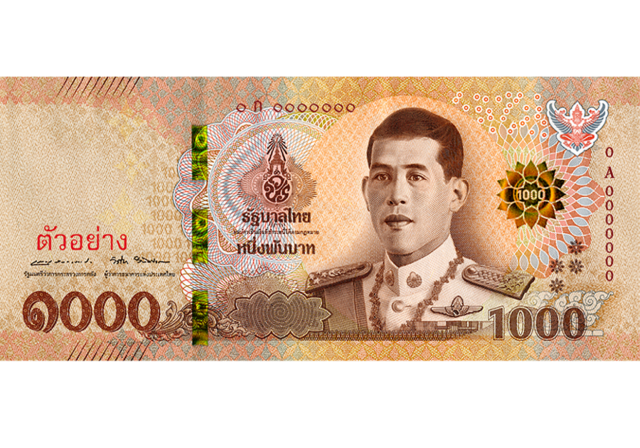
Approx. CAD $42.24
Le billet thaïlandais de mille bahts présente le roi Maha Vajiralongkorn (Rama X) portant son uniforme de l'Armée de l'air royale thaïlandaise. Le verso rend hommage au roi Bhumibol Adulyadej (Rama IX), dont le règne de 70 ans a été marqué par de nombreuses initiatives de développement national, aux côtés du roi Maha Vajiralongkorn (Rama X). Introduit dans le cadre de la série 17 de la Thaïlande en 2018, ce billet marron et doré est l'une des coupures de plus grande valeur en circulation quotidienne dans le pays. Les éléments de sécurité incluent un filigrane portrait, un fil de sécurité avec effets visuels, une impression en relief et des éléments à changement de couleur. Ces détails aident les voyageurs à reconnaître la véritable monnaie thaïlandaise.

Approx. CAD $0.08
La pièce thaïlandaise de deux bahts présente un portrait du roi Maha Vajiralongkorn (Rama X) sur l’avers. Sa finition couleur or distinctive la rend facile à distinguer des pièces argentées d’un baht et de cinq bahts. Le revers montre le monogramme royal du roi sous un emblème cérémonial, ainsi que la valeur en écriture thaïe. Introduite en 2018 dans le cadre de la série de pièces en circulation en Thaïlande, la pièce de deux bahts est couramment utilisée pour les petits achats et les transactions quotidiennes en espèces. Son design reflète l’héritage royal et les traditions monétaires du pays.

Approx. CAD $0.21
La pièce thaïlandaise de cinq bahts présente un portrait du roi Maha Vajiralongkorn (Rama X) sur l'avers, reflétant l'héritage royal de la Thaïlande. Le revers montre le monogramme royal du roi, un emblème cérémonial et la valeur en écriture thaïe. Introduite en 2018 dans le cadre de la série actuelle de pièces en circulation en Thaïlande, cette pièce de couleur argentée a une forme distinctive à neuf côtés avec des bords arrondis. Elle est couramment utilisée pour les petits achats, les transports locaux et les transactions en espèces quotidiennes dans tout le pays.

Approx. CAD $0.04
La pièce thaïlandaise de dix bahts présente sur l'avers un portrait du roi Maha Vajiralongkorn (Rama X). Son design bicolore distinctif combine un centre de couleur dorée avec un anneau extérieur argenté, ce qui la rend facile à reconnaître. Le revers montre le monogramme royal du roi sous un emblème cérémonial, avec la valeur en écriture thaïe. Introduite en 2018 dans le cadre de la série de pièces en circulation en Thaïlande, la pièce de 10 bahts est la pièce de monnaie régulière de plus grande valeur en Thaïlande. Elle est couramment utilisée pour les achats quotidiens, les transports et les petites transactions en espèces.

Approx. CAD $0.01
La pièce thaïlandaise de vingt-cinq satangs représente un quart de baht thaïlandais, 100 satangs équivalant à un baht. Cette petite pièce de couleur cuivrée présente un portrait royal sur l’avers et un motif de valeur sur le revers. Bien qu’elle fasse toujours partie de la monnaie en circulation en Thaïlande, elle est moins couramment utilisée dans les transactions quotidiennes que les pièces de baht plus grandes. Les voyageurs peuvent parfois recevoir des pièces de 25 satangs en monnaie, notamment dans les supermarchés et autres commerces où les prix sont calculés précisément.

Approx. CAD $0.02
La pièce thaïlandaise de cinquante satangs représente la moitié d’un baht thaïlandais, 100 satangs constituant un baht. Cette petite pièce de couleur cuivrée présente un portrait royal au recto et un motif de valeur faciale au verso. Elle fait partie de la monnaie en circulation en Thaïlande, mais elle est moins utilisée que les pièces de un, deux, cinq et dix bahts. Les voyageurs peuvent tomber sur des pièces de 50 satangs en recevant leur monnaie dans les supermarchés, les supérettes ou d’autres magasins. Sa couleur distinctive et sa petite taille permettent de la distinguer facilement des pièces thaïlandaises de plus forte valeur.
Values are approximate and subject to change.
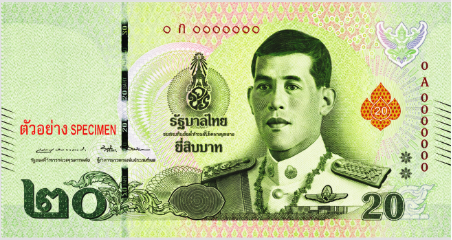
Approx. CAD $0.84
The Thai twenty-baht banknote features King Maha Vajiralongkorn (Rama X) wearing his Royal Thai Air Force uniform. The reverse honours King Rama I, founder of the Chakri dynasty, and King Rama II, highlighting Thailand's royal heritage. First introduced as part of Series 17 in 2018, the green 20-baht note features security elements including a portrait watermark, an embedded security thread and raised printing. A polymer version was introduced in 2022 with additional security features, including transparent windows. These details help travellers recognize genuine Thai currency.
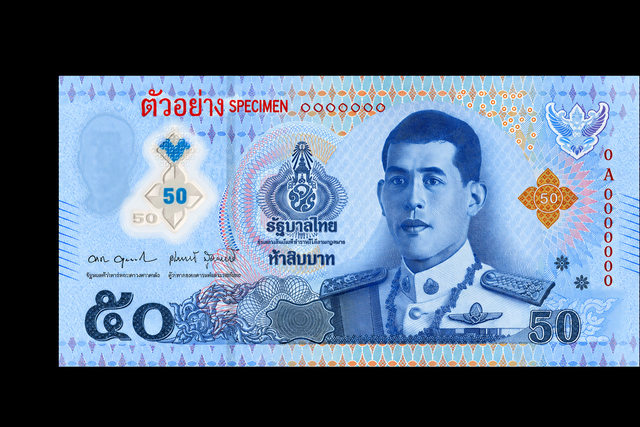
Approx. CAD $2.11
The Thai fifty-baht banknote features King Maha Vajiralongkorn (Rama X) wearing his Royal Thai Air Force uniform. The reverse honours King Rama III and King Rama IV, two important monarchs of the Chakri dynasty. Introduced in its new polymer version on November 21, 2025, this blue banknote is designed for greater durability and resistance to moisture. Its security features include transparent windows, raised printing and special visual elements that help distinguish genuine banknotes from counterfeits. These features reflect Thailand's commitment to modern currency security while celebrating its royal heritage.
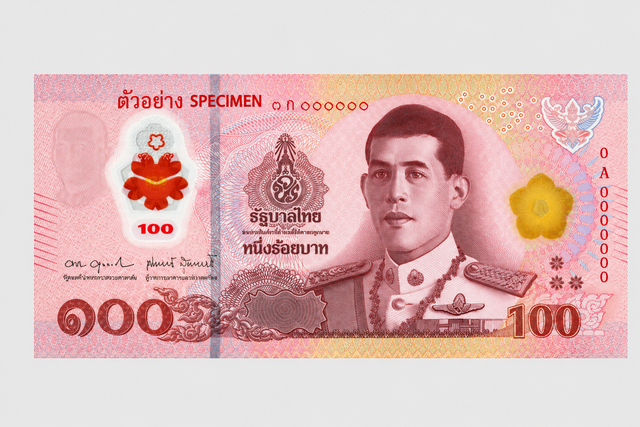
Approx. CAD $4.22
The Thai one-hundred-baht banknote features King Maha Vajiralongkorn (Rama X) wearing his Royal Thai Air Force uniform. The reverse honours King Chulalongkorn (Rama V), known for modernizing Thailand, and King Vajiravudh (Rama VI), who promoted education and national identity. Introduced in its new polymer version on November 21, 2025, this red banknote offers improved durability and resistance to moisture. Security features include transparent windows, raised printing and special visual elements that help travellers recognize genuine Thai currency. The design celebrates Thailand's royal heritage while incorporating modern banknote security technology.
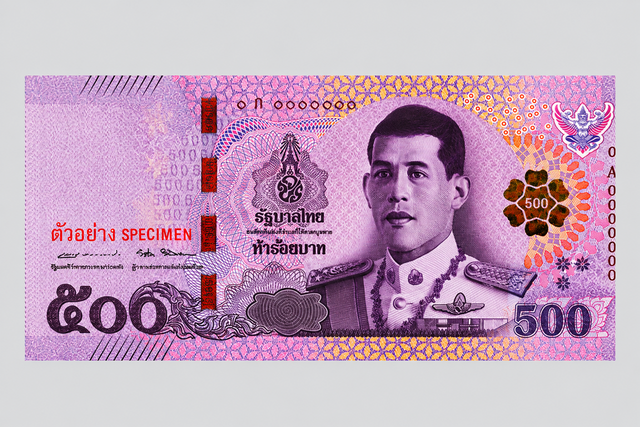
Approx. CAD $21.12
The Thai five-hundred-baht banknote features King Maha Vajiralongkorn (Rama X) wearing his Royal Thai Air Force uniform. The reverse honours King Prajadhipok (Rama VII), whose reign saw Thailand's transition to constitutional monarchy in 1932, and King Ananda Mahidol (Rama VIII). Introduced as part of Thailand's Series 17 in 2018, this purple banknote is printed on security paper. Its security features include a portrait watermark, an embedded security thread, raised printing and colour-changing elements visible when tilted. These details help travellers recognize genuine Thai currency while highlighting the country's royal heritage.
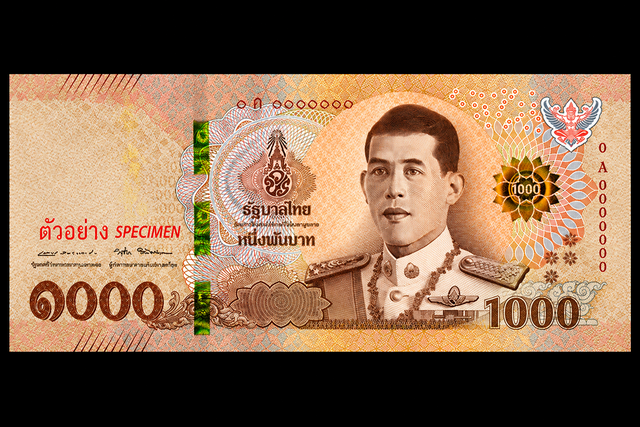
Approx. CAD $42.24
The Thai one-thousand-baht banknote features King Maha Vajiralongkorn (Rama X) wearing his Royal Thai Air Force uniform. The reverse honours King Bhumibol Adulyadej (Rama IX), whose 70-year reign was marked by numerous national development initiatives, alongside King Maha Vajiralongkorn (Rama X). Introduced as part of Thailand's Series 17 in 2018, this brown and gold banknote is the highest standard denomination in everyday circulation. Security features include a portrait watermark, an embedded security thread, raised printing and colour-shifting elements. These details help travellers recognize genuine Thai currency while highlighting the country's royal heritage.
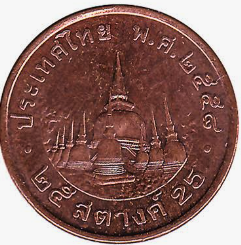
Approx. CAD $0.01
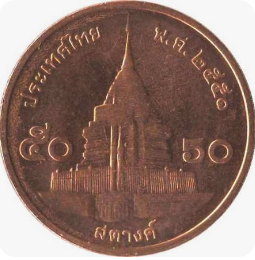
The Thai twenty-five-satang coin represents one quarter of a Thai baht, with 100 satang making up one baht. This small, copper-coloured coin features a royal portrait on the obverse and a denomination design on the reverse. Although it remains part of Thailand's circulating currency, it is less commonly encountered in everyday transactions than the larger baht coins. Travellers may occasionally receive 25-satang coins as change, particularly in supermarkets and other retail establishments where prices are calculated precisely.
Approx. CAD $0.02
The Thai fifty-satang coin represents half a Thai baht, with 100 satang making up one baht. This small, copper-coloured coin features a royal portrait on the obverse and a denomination design on the reverse. It forms part of Thailand's circulating coinage but is less commonly used than the larger one-, two-, five- and ten-baht coins. Travellers may encounter 50-satang coins when receiving change at supermarkets, convenience stores and other retailers. Its distinctive colour and small size help distinguish it from higher-value Thai coins.
Approx. CAD $0.04
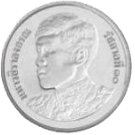
The Thai one-baht coin features King Maha Vajiralongkorn (Rama X) on the obverse, reflecting Thailand's royal heritage. The reverse displays the King's royal monogram beneath a ceremonial emblem, along with the denomination in Thai script. This silver-coloured coin is part of the circulating coin series introduced in 2018. One baht is divided into 100 satang, making this coin a familiar denomination for everyday purchases and small transactions throughout Thailand.
Approx. CAD $0.08
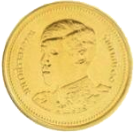
The Thai two-baht coin features a portrait of King Maha Vajiralongkorn (Rama X) on the obverse. Its distinctive gold-coloured finish makes it easy to distinguish from the silver-coloured one-baht and five-baht coins. The reverse displays the King's royal monogram beneath a ceremonial emblem, together with the denomination in Thai script. Introduced in 2018 as part of Thailand's circulating coin series, the two-baht coin is commonly used for small purchases and everyday cash transactions. Its design reflects the country's royal heritage and monetary traditions.
Approx. CAD $0.21
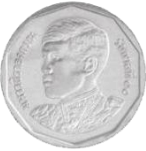
The Thai five-baht coin features a portrait of King Maha Vajiralongkorn (Rama X) on the obverse, reflecting Thailand's royal heritage. The reverse displays the King's royal monogram, a ceremonial emblem and the denomination in Thai script. Introduced in 2018 as part of Thailand's current circulating coin series, this silver-coloured coin has a distinctive nine-sided shape with rounded edges. It is commonly used for small purchases, local transportation and everyday cash transactions throughout Thailand.
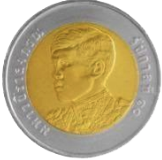
Approx. CAD $0.42
The Thai ten-baht coin features a portrait of King Maha Vajiralongkorn (Rama X) on the obverse. Its distinctive bimetallic design combines a gold-coloured centre with a silver-coloured outer ring, making it easy to recognize. The reverse displays the King's royal monogram beneath a ceremonial emblem, together with the denomination in Thai script. Introduced in 2018 as part of Thailand's circulating coin series, the 10-baht coin is the highest-value regular circulating coin in Thailand. It is commonly used for everyday purchases, transportation and small cash transactions.
Values are approximate and subject to change.
You've explored Thai Baht banknotes and coins. Now get ready for your trip with ICE Currency Canada.
Order THB NowThai baht banknotes incorporate a range of security features designed to prevent counterfeiting and help travellers recognize genuine currency. Depending on the denomination, these include portrait watermarks, translucent security images, transparent windows, embedded security threads, raised printing and colour-changing elements. Many of these features can be checked using three simple steps: feel, look and tilt. Understanding these details can help you handle Thai currency with greater confidence during your travels.
At ICE Currency, our currency exchange specialists are trained to recognize counterfeit banknotes. With experience, they can often identify a suspicious note simply by touch. Their knowledge of banknote security features helps them carefully examine the currencies they handle every day.

Hold a Thai baht banknote up to the light to reveal a security image of King Maha Vajiralongkorn (Rama X), visible from both sides. Paper banknotes feature a traditional portrait watermark accompanied by a translucent denomination, while polymer banknotes incorporate a specially designed shadow image. These security features help travellers verify the authenticity of Thai currency.
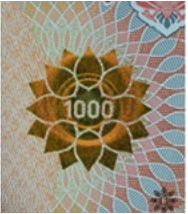
On the 500- and 1,000-baht banknotes, special colour-shifting ink creates a moving geometric pattern when the note is tilted. The colours change from gold to green, providing a distinctive security feature that helps travellers identify genuine Thai banknotes.
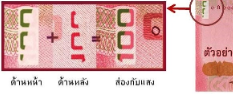
Hold a Thai baht banknote up to the light to observe its see-through register. Special patterns printed on the front and back of the banknote align perfectly to form a complete image. This precise printing technique is an important security feature that helps travellers distinguish genuine Thai banknotes from counterfeits.
Want to learn more about Thai baht banknote security features? Visit the official Bank of Thailand website to discover how to recognize genuine banknotes and identify their security features. Explore Thailand banknote security features
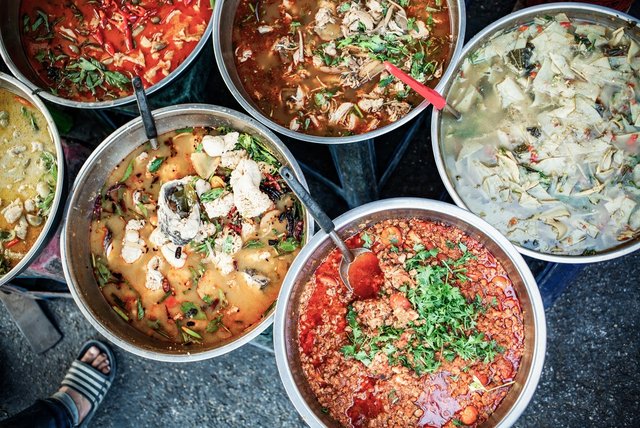
Enjoy authentic pad Thai, fried rice or noodle soup for approximately 50–100 baht per meal at local street-food stalls. With 500 baht, you could enjoy 5 to 10 meals, depending on where you eat.
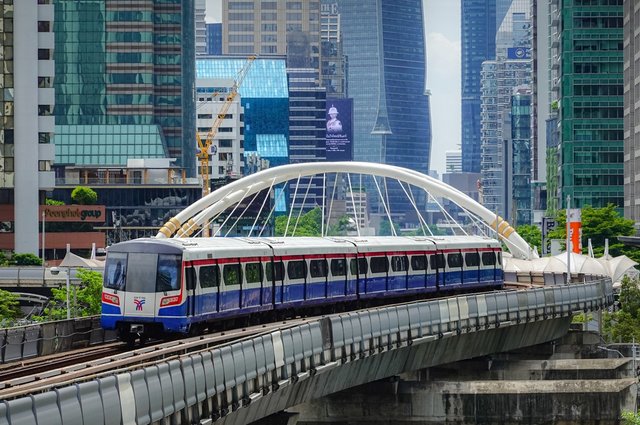
Explore Bangkok aboard the BTS Skytrain, the city's elevated rail network. Fares depend on your departure and destination stations, starting at approximately 17 baht for short journeys and reaching 65 baht for longer trips. With 500 baht, you could enjoy around 12 rides at an average fare of 40 baht, making it a convenient way to discover the city.
Discover More About Thailand. Planning a trip to Thailand? The official Tourism Authority of Thailand website is an excellent resource for travellers. Discover popular destinations, cultural attractions, local traditions, festivals, transportation options and practical travel information to help you plan your journey. Explore everything Thailand has to offer and make the most of your adventure! Explore Thailand – Official Tourism Website

Order your foreign currency online and pick it up at your selected ICE location. Quick, easy and convenient, so you can spend less time preparing and more time enjoying your trip.
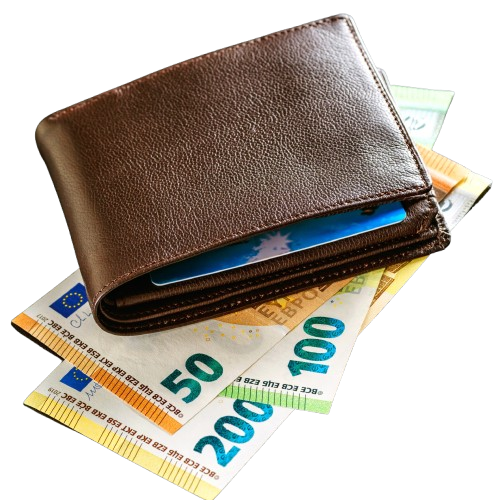
Avoid keeping all your cash and payment cards in the same place. Store a backup card and some emergency cash separately, so you're prepared if your wallet is lost or stolen.
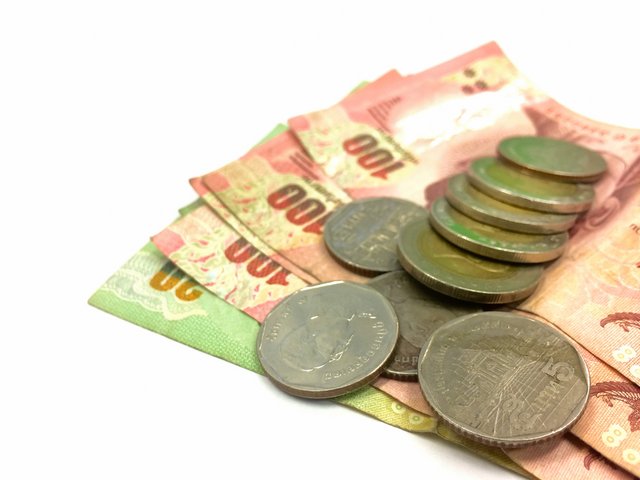
Keep a few 20, 50 and 100-baht notes handy for street food, local markets, tuk-tuks and small shops. Vendors may not always have enough change for 500- or 1,000-baht notes. Smaller denominations make everyday purchases quicker and easier.
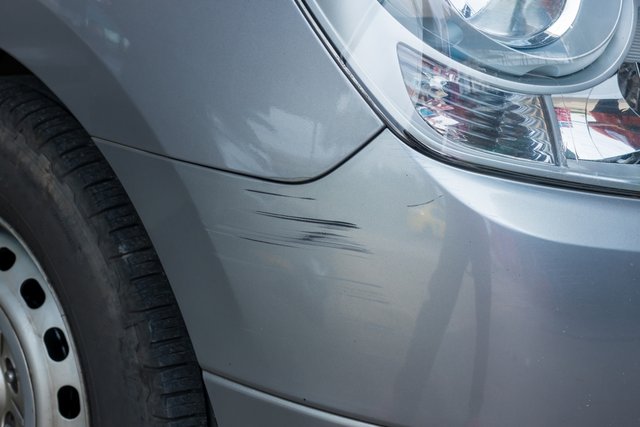
Some rental operators in Thailand may demand excessive compensation for damage that was already present before the rental. Always take photos or videos of the jet ski or scooter before using it, carefully inspect its condition, and agree on rental terms in advance. Never leave your passport as a security deposit.
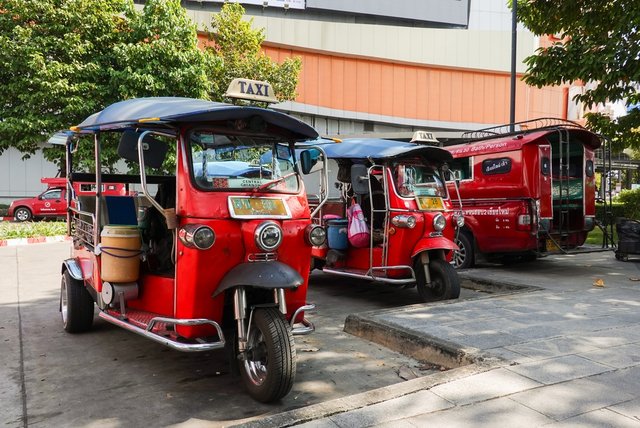
A tuk-tuk driver offering an unusually cheap sightseeing tour may take you to jewellery shops or other businesses where they receive a commission. Before boarding, agree on the total fare and destination. For regular taxi journeys, use licensed metered taxis or reputable ride-hailing services.

Reserve online and pick up your currencies at your preferred branch.

Compare the rate on the day of purchase with our exchange rates page.

Let your bank know your travel dates to avoid blocked cards abroad.
Yes. Cash remains widely accepted throughout Thailand, especially at street-food stalls, traditional markets, small shops and local transportation services. Hotels, shopping malls and larger restaurants often accept credit cards. Carrying a combination of cash and cards gives you greater flexibility.
The Thai baht has a fascinating history dating back centuries. Before modern banknotes, Thailand, formerly known as Siam, used traditional forms of money, including silver bullet coins known as pot duang. Modern Thai banknotes were officially introduced in 1902, marking an important milestone in the country's monetary history. Since then, Thailand has issued 17 major banknote series, reflecting changes in the monarchy, national heritage and printing technology. In 2018, the 17th banknote series was introduced, featuring King Maha Vajiralongkorn (Rama X). More recently, Thailand began modernizing its currency with polymer banknotes. The 20-baht polymer note was introduced in March 2022, followed by new 50- and 100-baht polymer notes in November 2025. These newer banknotes offer improved durability, security and resistance to moisture, while older paper versions remain legal tender. Today, the Thai baht represents both Thailand's rich cultural heritage and its continuing evolution toward modern currency technology.
Counterfeit banknotes are relatively rare in Thailand. According to the Bank of Thailand, approximately 0.4 counterfeit notes are detected per million genuine banknotes in circulation. Nevertheless, travellers should check larger denominations, particularly 500- and 1,000-baht notes. Use the simple “Feel, Look and Tilt” method to examine security features, including raised printing, watermarks and colour-changing elements. If a banknote appears suspicious, do not accept it.


We match the market every day.

Your order is protected end to end.